


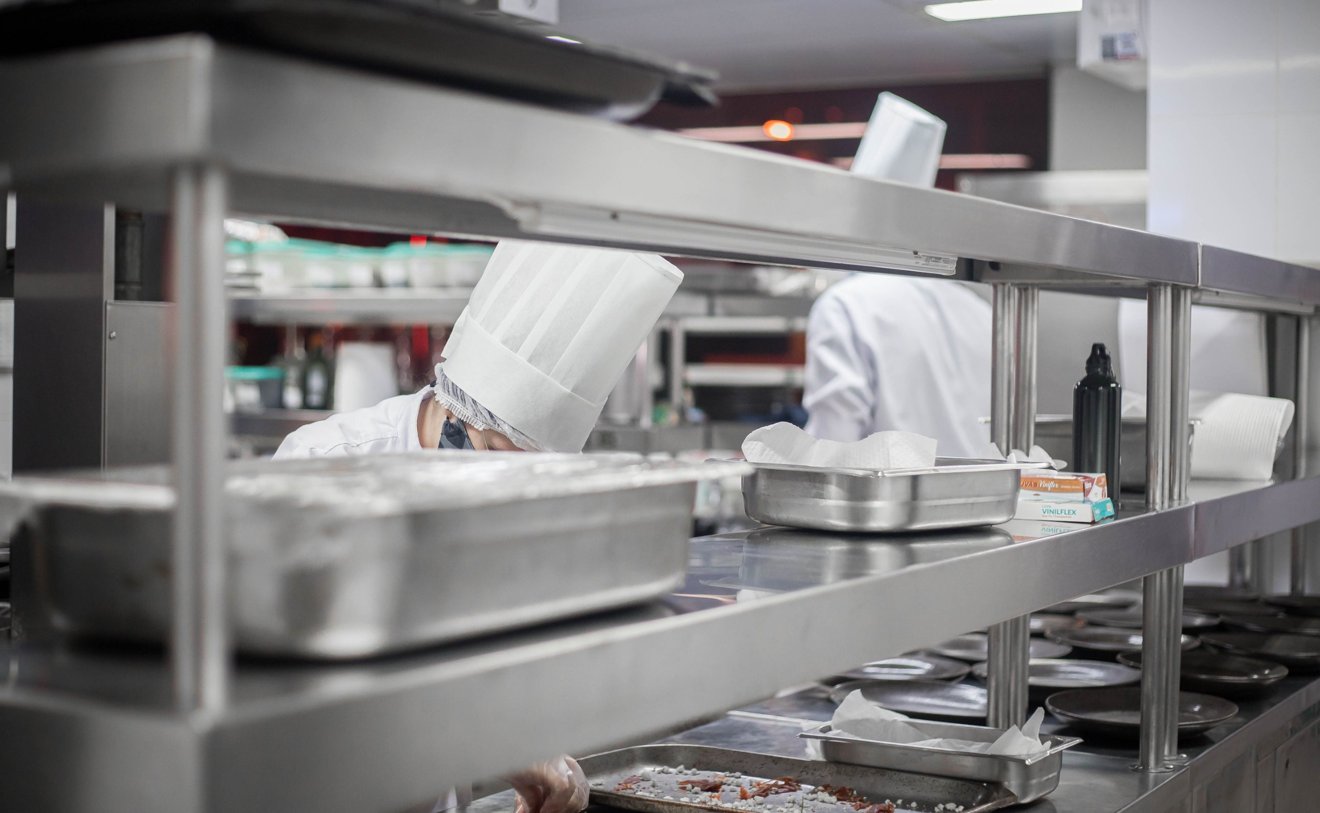
Most restaurant owners in Johor Bahru know the feeling of opening a sack of rice on a Friday afternoon and realising it is the last one. A good restaurant supplier in JB helps, but even the best supplier cannot fix guesswork inside your own kitchen. The simplest fix is a par level: a fixed amount of each item that you always want on the shelf. This guide explains what par levels are, how to set them in one afternoon, and how to use them to place smaller, smarter orders.
What is a par level?
A par level is the minimum quantity of an item you want to have right after a delivery arrives. When your stock drops to a lower line, called the reorder point, you place an order. Think of it as a simple rule: “We always hold X sacks of rice. When we reach Y, we call the supplier.”
You do not need software. A page on the wall or a note on your phone is enough.
Step 1: List the items that stop service when they run out
Start with the things your menu cannot do without. For most JB restaurants these are:
- Rice and glutinous rice, such as Carnation Apple Gold (10kg) or Beras Pulut E1 (10kg)
- Wheat flour and sugar, such as Tepung Blue Key (25kg) or Gula Pasir (24 x 1kg)
- Stocks and sauces, such as Maggi Chicken Stock (8 x 1kg) and Maggi Oyster Flavoured Sauce (12 x 1.5kg)
- Milk for drinks, such as Teapot Evap Creamer (48 x 390g)
- Drinks powders and water, such as Milo, Nescafe and mineral water
Leave out the rest for now. You can add slower items later.
Step 2: Measure how much you use
Count for two weeks. Each time you open a new sack, carton or bottle, mark it on a sheet. After two weeks you will know your average use per day for each item. If your weekends are much busier, write down weekday and weekend numbers separately.
Step 3: Use a simple formula
Par level = daily use x (days between deliveries + buffer days)
Reorder point = daily use x (days to deliver + buffer days)
Here is an example. It is made up for illustration, so replace the numbers with your own. A kitchen uses 3 bags of 10kg rice a day. Deliveries arrive every 3 days, and the owner wants 1 buffer day for a busy weekend.
- Par level: 3 x (3 + 1) = 12 bags
- Reorder point: 3 x (1 + 1) = 6 bags, if an order takes one day to arrive
When the shelf shows 6 bags, you order. That way you are never counting on the last bag.
Step 4: Set your buffer by how much it hurts to run out
Not every item needs the same cushion.
- High impact, such as rice, sauces and milk. Hold a bigger buffer. A missing item stops the menu.
- Medium impact, such as drinks powders and sugar. A small buffer is enough because you can often switch temporarily.
- Low impact, such as specialty items. Order only when needed.
Step 5: Pick one count day and one order day
Choose a quiet time each week, such as Monday morning, to count stock against your par levels. Write down what is below the reorder point and send the list by WhatsApp. A routine like this takes 10 to 15 minutes and removes most of the rush orders that cost extra.
Restaurant supplier in JB: what to ask so par levels work
Par levels only work if your supplier fits the schedule. Ask:
- Which days do you deliver to my area?
- Can I send my order list on WhatsApp?
- Can I mix rice, flour, sugar, sauces and drinks in one order?
- Who do I contact if I fall below my reorder point mid-week?
Common mistakes with par levels
- Setting them once and never reviewing. Menus change and seasons change. Review the numbers every month or two.
- Using one buffer for everything. A pallet of mineral water does not need the same cushion as your house rice.
- Counting only when you are short. Count on a fixed day, not in a panic.
- Ignoring storage space. A high par level is useless if the stockroom cannot hold it. Keep stock dry, off the floor, and rotate older stock to the front.
How Kwong Seng Hup Kee supports restaurant kitchens
Kwong Seng Hup Kee supplies restaurants, cafes, hotels and retailers in Johor Bahru with rice, flour, sugar, sauces, milk, drinks and mineral water, with wholesale pricing and local delivery. We are also a Nestle distributor in JB, so Milo, Nescafe and Maggi can sit on the same order as your dry goods. For a weekly checklist of what kitchens usually reorder, read our guide to choosing a restaurant supplier in JB. Opening a new outlet? Our first stock order checklist helps you set the starting numbers.
Frequently asked questions
What is a par level in a restaurant?
It is the amount of an item you want to hold after a delivery. When stock falls to your reorder point, you place an order.
How often should I review my par levels?
Every month or two, or when your menu or sales change. Festive seasons usually need higher numbers.
Can I order rice, flour, sugar and sauces in one delivery?
Yes. You can combine rice, flour, sugar, Nestle products, Teapot milk and mineral water in one order.
How do I send my weekly order?
WhatsApp Hannah or Jasmine with your list, or call our hotline. We will confirm your quote and delivery.
Send us your weekly order list
Ready to try par levels with a restaurant supplier in JB? Send us your item list and we will help you plan the first order. WhatsApp Hannah at +60 16-328 8019 or Jasmine at +60 12-722 8908, call 07-235 9052, or visit our contact page.


